A dog over its threshold cannot learn the skill you are trying to teach: the stress response has taken over and cues do not get through. So the teaching happens at home, where arousal is low, and the skill is carried towards busier places in small steps. Mid reaction, your only job is management.
It is a familiar sight on the paseo. A dog barks and lunges at another dog across the street. Beside it, the owner crouches with treats out, repeating “sit” louder each time. Down at face height, they are also within reach if the dog snaps at whoever is closest. Nobody is at fault: a busy street is the wrong classroom.
Why does my trained dog ignore every cue near a trigger?

Over threshold, the stress response takes over from the thinking brain. Heart rate up, muscles loaded, attention pinned to the trigger. The sit your dog does beautifully at home is not forgotten; it is out of reach for now. We map where that threshold sits in its own field note.
So repeating the cue, raising your voice and reaching for better treats all fail for the same reason. What a dog does practise over threshold is the reaction itself, and each close encounter tends to make the next one easier to set off. That leaves two separate jobs: build skills at home, and manage distance outside.
Why train at home before the park?
Because new skills are built where arousal is low. The kitchen is calm and familiar, so for most dogs the thinking brain is there. If the doorbell or the window sets your dog off, start in a back room at a slow time of day.
The street and the park, with sudden dogs and tight pavements, are where the finished skill gets used. The usual mistake is skipping the middle: teaching in the kitchen on Monday and testing on the paseo on Tuesday.

Build at home, test outside: we call it foundation before exam. Every trigger on a walk is an exam, and you cannot study during one.
A failed exam is not a verdict on your dog: it shows you where the edge is, and that takes the shame out of a bad walk. It is still one more rehearsal of the reaction, so start the next session further back.
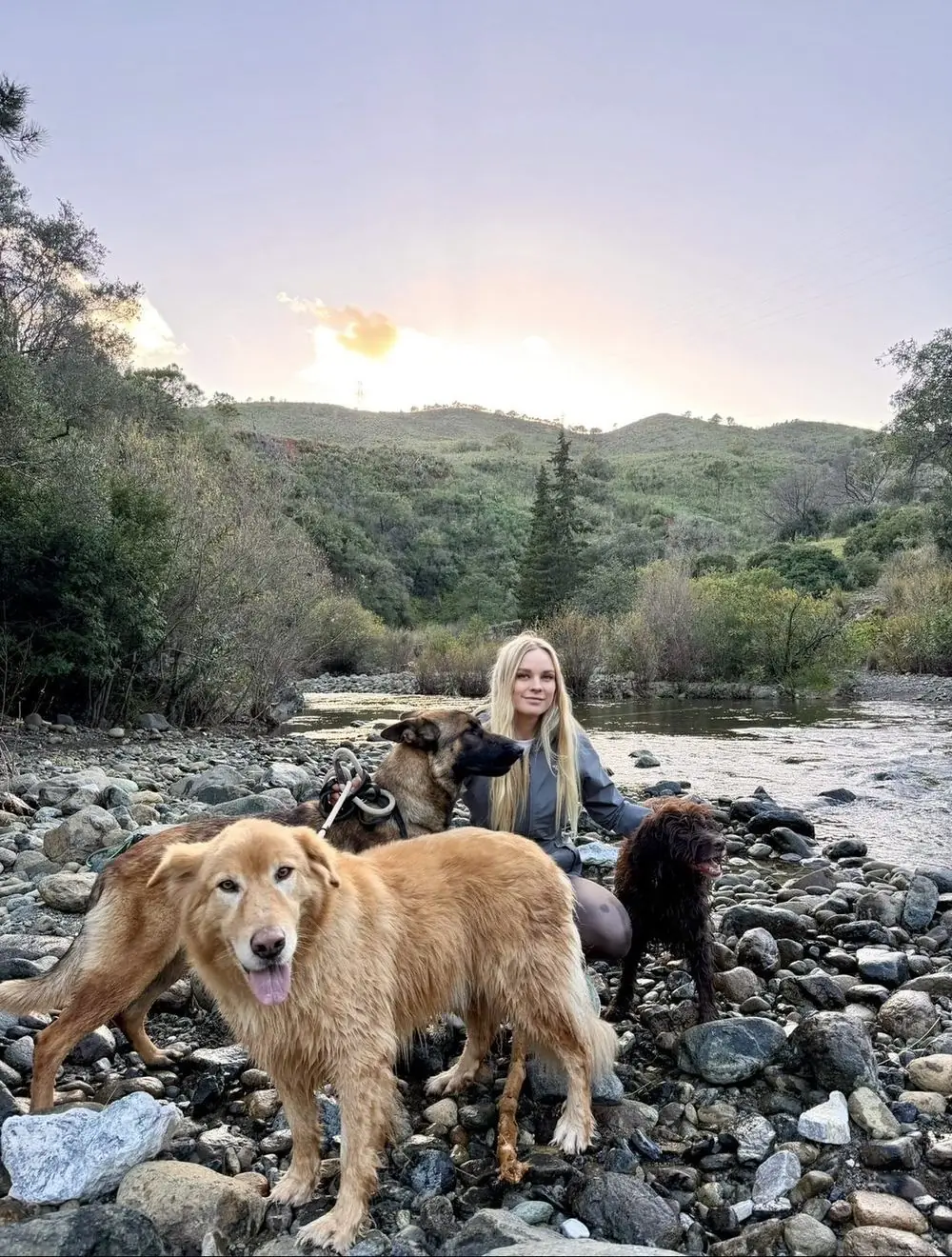
On this coast the middle ground is harder to find by chance. Between narrow pavements, dogs behind gates, scooters and market mornings, a short Estepona street can pack in more triggers than a long suburban one. The coast also has the calm end: dawn on the paseo, the dry riverbeds, the beach out of season. Choose the hour as carefully as the distance.
- Manage distance, curve, leave
- Stop your dog rehearsing the outburst
- No cue drills
- Success is a quiet pass
- Teach the check-in, the turn, lying calmly on a mat
- Short sessions, generous pay
- Build until it is reliable
- This is where the change happens
How do I move a skill from home to the park?
One step at a time, with your dog’s body as the gauge. If your dog stops taking food, stops looking back at you or goes stiff, you have moved too far too fast.
- Make it reliable at home first. A name response, a turn away or lying calmly on a mat should work on the first quiet ask in the kitchen before it goes anywhere.
- Change one setting at a time. Kitchen, then garden or patio, then a quiet street at dawn, then the far edge of the park, at a distance where your dog can still eat.
- Test with the mildest version of the trigger. A calm dog at a generous distance, never the closest, loudest dog around. You choose the exam paper while you still can.
- Step back the moment the skill wobbles. Go back one setting, bank a few easy wins, and move on again.
The middle settings are the hardest part to judge alone. In private sessions we practise them with you, reading your dog at your side and choosing the distance together. If you prefer to practise without us, Volume 02 sets out the plan in writing.
What should I do when my dog reacts anyway?
Manage it cleanly. Reactions still happen in a good plan, because the coast does not time its dogs around your training. Add distance straight away, keep your own body quiet, curve away rather than face off, and skip the telling-off afterwards. The step-by-step version is in the field note on lunging.
Then ask one question: was that bad luck, or an exam your dog had not practised for? Too close, too soon is a spacing problem, not a flaw in your dog or in you.
Recovery time after a hard moment is part of the plan too. A dog that has just reacted can stay wound up for a while, so keep the rest of that walk short and easy, and save practice for another day. The field note on exercise covers rest in more detail.
If your dog has bitten, or the reactions keep getting bigger even at a distance, do not work through this alone. Read how to tell reactivity from aggression, then book a private session and tell us about any bite when you do.