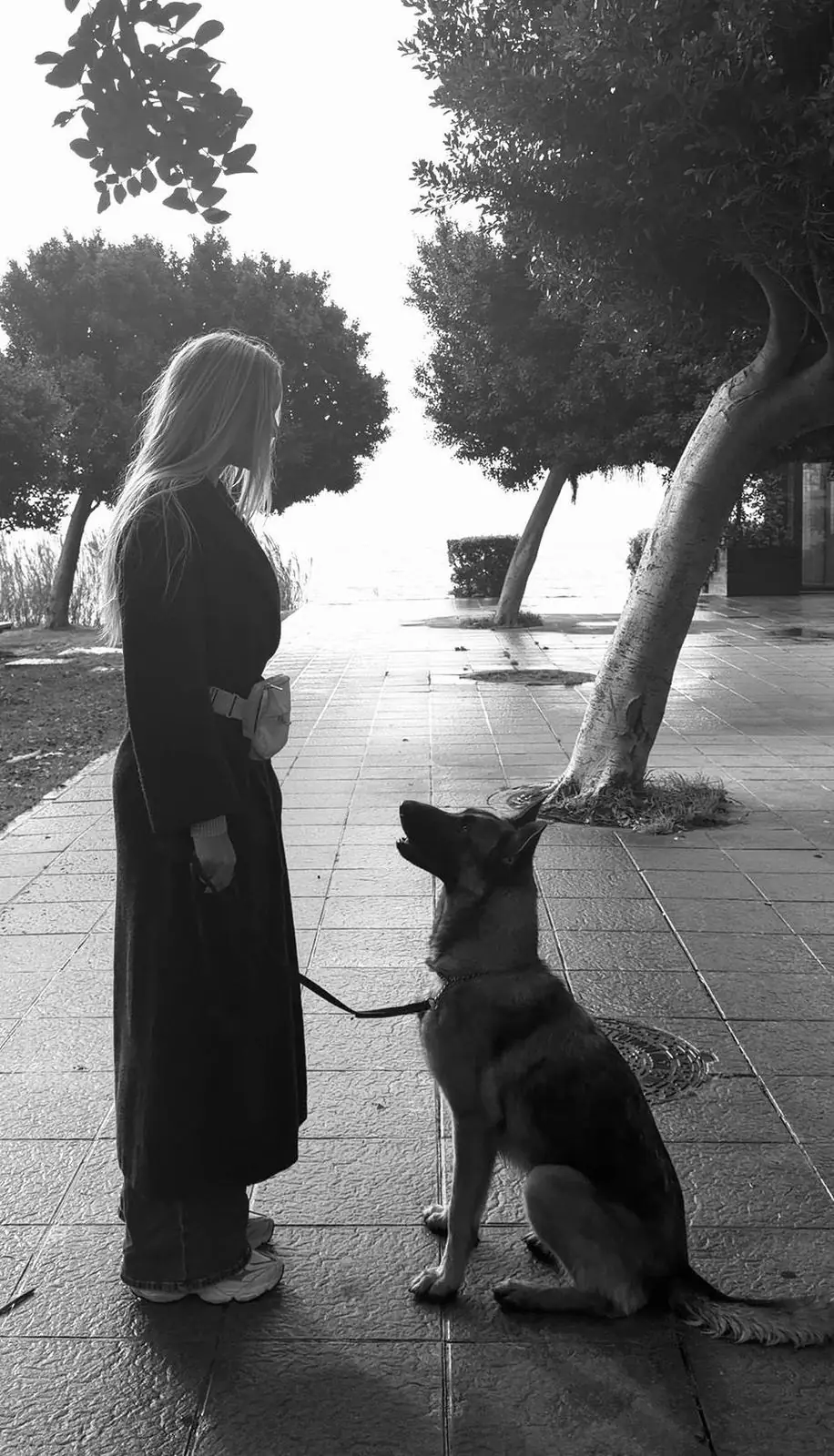

The locus of control is the idea the club is named after, and one question sits behind all of our work: who holds the Locus of Control? Calm is what a good answer looks like from the outside. What a locus shift is, and how to train one, is taught in Foundation, Volume 01 of Locus CODE™.
Watch any dog for an hour and you will see a stream of small moments: the doorbell, the lead coming off its hook, a dog passing the window. Behind every one of them sits the question the club is named after: who holds the Locus of Control?
What does the locus of control look like from the outside?

From the outside, it looks like calm. Two dogs can meet the same street and have two very different walks: one pulls, lunges and barks at every passing dog, the other walks on a slack lead and settles when its owner stops. Who holds the Locus of Control is a large part of why.
Neither dog is good or bad, and neither owner is failing. The lunge, the pull and the bark at the window are not personality flaws.
What does the locus look like at the doorbell?
The doorbell is a clean locus test. It arrives unannounced, and the next few seconds tell you a lot. Picture the same bell ringing in two homes.
- The dog reaches the door first, every time
- Barking continues over your voice
- The episode lasts until the dog tires
- You are managing an event that is already running
- The bell rings, and your dog looks at you
- You open the door when you are ready
- A bark is a comment, not a campaign
- The moment ends when you end it
Notice what the second home did not need: a louder voice, a stern routine or any confrontation. The difference was built long before the bell rang, in ordinary moments nobody would call training.
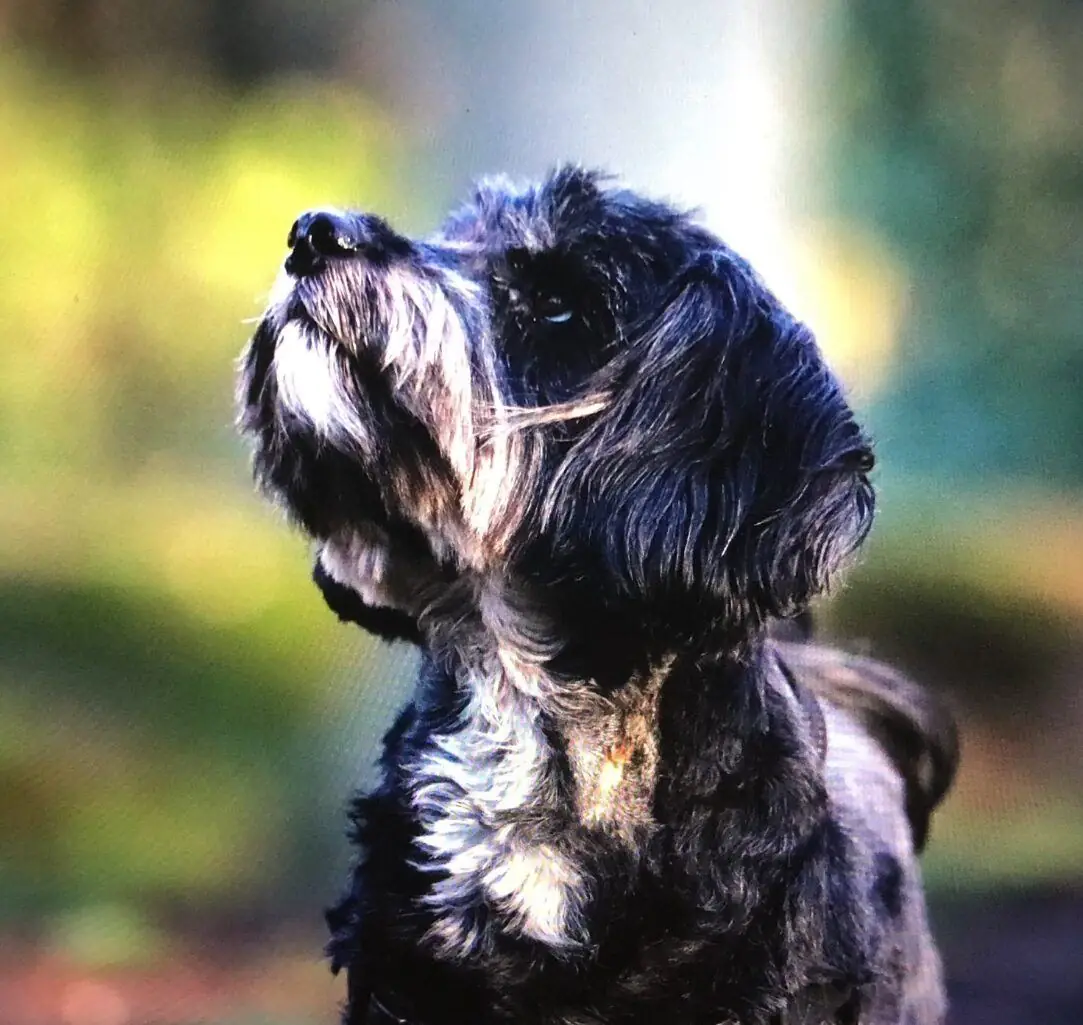
Where is the locus shift taught?
The locus shift sits at the heart of Locus CODE, and it is taught in Foundation, Volume 01, not summarised in a blog post. What it is and how to train it are set out there in full.
Calm is built in ordinary moments.
Training a cue on its own can disappoint: it teaches the word and leaves the locus of control where it was.
Does calm mean controlling everything?

No. A switched-off dog is not a calm dog. That is not what we train for, and a good sniff on a quiet walk is part of a good day for any dog.
Good training protects the parts of a dog’s day that do no harm. Which moments matter, and where the locus of control should sit in them, are set out in Foundation.
The same idea helps with the dog that gets called stubborn on the lead. A dog that ignores your cue for a smell is rarely being defiant, and the field note Is my dog stubborn? takes this further.
How do I start watching my own dog?
Watch before you change anything. For the first week your only job is to notice and write down what happens. No correcting and no new rules: you are drawing a map of your dog, not fixing one.
If your dog has bitten, or you think it might, keep whatever you already use to manage the door, a gate or a lead, and get experienced help before you try anything new.
- Pick two or three everyday situations. The doorbell or a knock, another dog passing the window, a car pulling up outside.
- Note what you saw after each. What your dog did, how long it lasted, and how long the house took to settle. Keep the club’s question in mind, but leave the answer for later.
- Keep it up for a week. Shifting the locus comes later, and it is far easier with a week of notes in front of you.
What you do with the map is the framework itself. Foundation, Volume 01 of Locus CODE (CODE stands for Canine Owner Dynamic Education), sets out the whole framework.
If you would rather someone watched your dog with you, private training starts with a single session, at your home or at the training location. It ends with an honest read on what it will take, and the sessions that follow coach you through it.